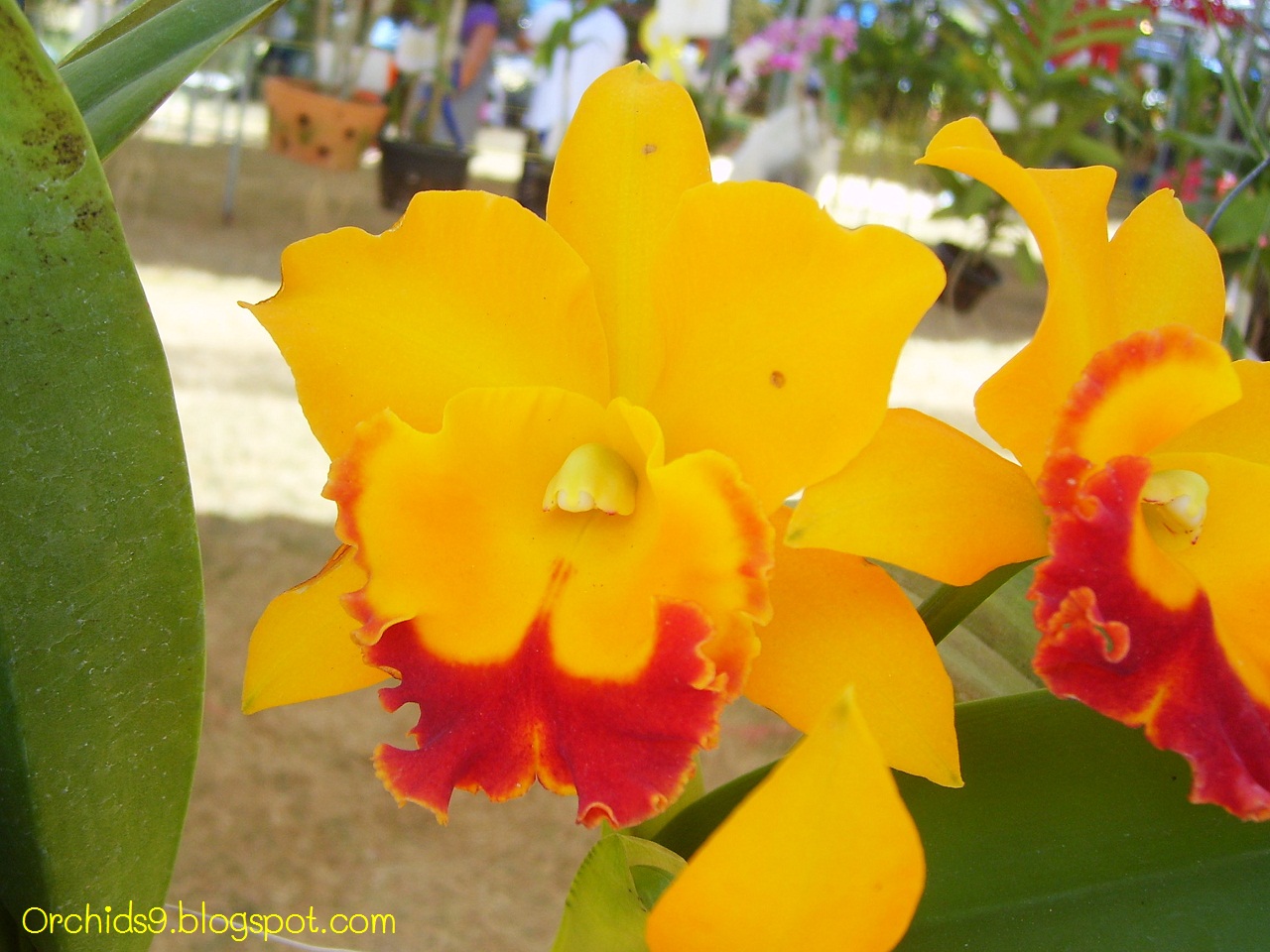
Showing posts with label Cattleya. Show all posts
Some Cattleya Flower
Culture & Care Synonym : Native range :
Skill for Culture : -
Experienced Type of Culture : Warm grower
Described Discovered by : Described Discovered in :
Type of Grow : Epiphytes; grows clinging to the branches of trees.
Growing Patterns : Sympodial; Orchids are growing sideways.
x Cattleya hybrid orchid, Orange color
Native range :
Skill for Culture : Experienced
Type of Culture : Warm grower
Described Discovered by :
Described Discovered in :
Type of Grow : Epiphytes; grows clinging to the branches of trees. Terrestrials; are thrive growing on/in the ground. Lithophytes; Orchids that grow in or on rocks.
Growing Patterns : Monopodial; Orchids are growing always grows vertically. Sympodial; Orchids are growing sideways.
Flower
Leaves
Culture & Care
Cattleya starrlyn | Orchids Flower Picture
Orchids > Cattleya Orchids > C.starrlyn
| Cattleytonia starrlyn Orchids |
| Cattleytonia starrlyn Orchids |
Orchid is the queen of the forest. It's beautiful. The plants were so beautiful to look at. Whenever orchids begin flowering, I will happy.
Bringing orchids to grow, it is not difficult. But it's hard to make it liven.
The orchid is a species that live in the forest. When taken comes out of the forest environment, climate changed. orchid that can't adapt new environment will die. some adaptability, It may be incomplete.
There are 1,000 of orchid species. Cattleya orchid is one of the most popular genus, because the flowers are large and colorful. Originated from a of southern !
In 1817, William Swainso found new varieties of plant in the country's Brazilian and sent discrimination (also sent to Sir.William Cattley).
In ..., Sir. William Cattleya grow this plants(orchid ) in his farms, until its flowering.
In 1824, John Lindley named this type of orchid, called "Cattleya John Lindley."
Bringing orchids to grow, it is not difficult. But it's hard to make it liven.
The orchid is a species that live in the forest. When taken comes out of the forest environment, climate changed. orchid that can't adapt new environment will die. some adaptability, It may be incomplete.
There are 1,000 of orchid species. Cattleya orchid is one of the most popular genus, because the flowers are large and colorful. Originated from a of southern !
In 1817, William Swainso found new varieties of plant in the country's Brazilian and sent discrimination (also sent to Sir.William Cattley).
In ..., Sir. William Cattleya grow this plants(orchid ) in his farms, until its flowering.
In 1824, John Lindley named this type of orchid, called "Cattleya John Lindley."
Cattleya memory angel x (Cattleya bowringiana x Cattleya chocolate drop)
Orchids > Cattleya Orchids > Cattleya memory angel x (Cattleya bowringiana x Cattleya chocolate drop)
| Cattleya memory angel x (Cattleya bowringiana x Cattleya chocolate drop) |
| Cattleya memory angel x (Cattleya bowringiana x Cattleya chocolate drop) |
| Cattleya memory angel x (Cattleya bowringiana x Cattleya chocolate drop) |
Cattleya orchid was well known widely. Because the flowers are large and color. For cut-flowers trade.and then, People began to be interested in Cattleya orchid, It become more popular. Cattleya was developed rapidly, some species formerly flower size 5 cm. Can breed new flower size, 15 cm. And has colorful orchid more vivid.
Cattleya orchids hybrid , Sometimes ftagrant flowers. Some of the most stunning orchids in cultivation are cattleyas.
Type of Growing
Cattleya orchid is growing is Sympodial-type; Orchids are growing that grow sideways across the top of the pot. These orchids have a rhizome at the base usually put in horizontal, The bud at the base will begin growing anther rhizome. and then ,The rizome develops into a small plant or pseudobulb, and flower. When pseudobulbs have completely healthy, It will lose its leaves celled this pseudobulbs that "backbulb". It served store feed more years before it die.
Cattleya are epiphytes ; Growing on clinging to branches of trees. Roots orchids have thick roots covered with silver or white velamen. Which adsorb moisture and nutrients from the air such as Plalaenopsis Dendrobium etc.
Type of Roots
Cattleya orchids are semi-aerial roots : Usually found on the rocks or the trees. Roots can be absorbed many water. it smaller aerial roots. Most roots inside the pot. But may have some roots emerge outside the pot. This orchid roots not like a tight pots or wet for too long, Which getting air not enough.
Cattleya siam dragon | Flowers Pictures
Orchids > Cattleya Orchids > C. siam dragon
Cattleya Flowers
Inflorescence
Flower stalk originates from a pseudbulb. The number of flowers are 2.
Orchid is the queen of the forest. It's beautiful. The plants were so beautiful to look at. Whenever orchids begin flowering, I will happy.
Bringing orchids to grow, it is not difficult. But it's hard to make it liven.
The orchid is a species that live in the forest. When taken comes out of the forest environment, climate changed. orchid that can't adapt new environment will die. some adaptability, It may be incomplete.
There are 1,000 of orchid species. Cattleya orchid is one of the most popular genus, because the flowers are large and colorful. Originated from a of southern !
In 1817, William Swainso found new varieties of plant in the country's Brazilian and sent discrimination (also sent to Sir.William Cattley).
In ..., Sir. William Cattleya grow this plants(orchid ) in his farms, until its flowering.
In 1824, John Lindley named this type of orchid, called "Cattleya John Lindley."
About Cattleya
Cattleya orchid was well known widely. Because the flowers are large and color. For cut-flowers trade.and then, People began to be interested in Cattleya orchid, It become more popular. Cattleya was developed rapidly, some species formerly flower size 5 cm. Can breed new flower size, 15 cm. And has colorful orchid more vivid.
Cattleya orchids hybrid , Sometimes ftagrant flowers. Some of the most stunning orchids in cultivation are cattleyas.
Type of Growing
Cattleya orchid is growing is Sympodial-type; Orchids are growing that grow sideways across the top of the pot. These orchids have a rhizome at the base usually put in horizontal, The bud at the base will begin growing anther rhizome. and then ,The rizome develops into a small plant or pseudobulb, and flower. When pseudobulbs have completely healthy, It will lose its leaves celled this pseudobulbs that "backbulb". It served store feed more years before it die.
Cattleya are epiphytes ; Growing on clinging to branches of trees. Roots orchids have thick roots covered with silver or white velamen. Which adsorb moisture and nutrients from the air such as Plalaenopsis Dendrobium etc.
Type of Roots
Cattleya orchids are semi-aerial roots : Usually found on the rocks or the trees. Roots can be absorbed many water. it smaller aerial roots. Most roots inside the pot. But may have some roots emerge outside the pot. This orchid roots not like a tight pots or wet for too long, Which getting air not enough.
Culture
Generally, Put it in *
Leaves.
Generally, Leaves of Cattleya orchid will emerge from the pseudobulb, 1-2 ea depend on species. Usually the leaves will be apple green. If it's darker leaves might indicate too little light, and if yellow/brown leaves might indicate too much direct sunlight.
Temperature and Light.
Temperature 14 to 23 'C. (It can adapt.)
Light ; Cattleya orchids like bright light. but not to direct sunlight. They will not flower without plenty of light. If the leaves are dark green and floppy, the orchids is not getting enough light.
| Cattleya siam dragon Picture |
- Flower size about 5-15 cm.
- Dorsal Sepal : Rather narrow(than petals) Like the triangle, pink color
- Lateral Petal : Darkker than color sapal.
- Lateral Sepal : Similar to each other, triangle, pink color
- Lip : various marking and often frilly margin.
Inflorescence
Flower stalk originates from a pseudbulb. The number of flowers are 2.
| Cattleya siam dragon Plant |
Orchid is the queen of the forest. It's beautiful. The plants were so beautiful to look at. Whenever orchids begin flowering, I will happy.
Bringing orchids to grow, it is not difficult. But it's hard to make it liven.
The orchid is a species that live in the forest. When taken comes out of the forest environment, climate changed. orchid that can't adapt new environment will die. some adaptability, It may be incomplete.
There are 1,000 of orchid species. Cattleya orchid is one of the most popular genus, because the flowers are large and colorful. Originated from a of southern !
In 1817, William Swainso found new varieties of plant in the country's Brazilian and sent discrimination (also sent to Sir.William Cattley).
In ..., Sir. William Cattleya grow this plants(orchid ) in his farms, until its flowering.
In 1824, John Lindley named this type of orchid, called "Cattleya John Lindley."
About Cattleya
Cattleya orchid was well known widely. Because the flowers are large and color. For cut-flowers trade.and then, People began to be interested in Cattleya orchid, It become more popular. Cattleya was developed rapidly, some species formerly flower size 5 cm. Can breed new flower size, 15 cm. And has colorful orchid more vivid.
Cattleya orchids hybrid , Sometimes ftagrant flowers. Some of the most stunning orchids in cultivation are cattleyas.
Type of Growing
Cattleya orchid is growing is Sympodial-type; Orchids are growing that grow sideways across the top of the pot. These orchids have a rhizome at the base usually put in horizontal, The bud at the base will begin growing anther rhizome. and then ,The rizome develops into a small plant or pseudobulb, and flower. When pseudobulbs have completely healthy, It will lose its leaves celled this pseudobulbs that "backbulb". It served store feed more years before it die.
Cattleya are epiphytes ; Growing on clinging to branches of trees. Roots orchids have thick roots covered with silver or white velamen. Which adsorb moisture and nutrients from the air such as Plalaenopsis Dendrobium etc.
Type of Roots
Cattleya orchids are semi-aerial roots : Usually found on the rocks or the trees. Roots can be absorbed many water. it smaller aerial roots. Most roots inside the pot. But may have some roots emerge outside the pot. This orchid roots not like a tight pots or wet for too long, Which getting air not enough.
Culture
Generally, Put it in *
Leaves.
Generally, Leaves of Cattleya orchid will emerge from the pseudobulb, 1-2 ea depend on species. Usually the leaves will be apple green. If it's darker leaves might indicate too little light, and if yellow/brown leaves might indicate too much direct sunlight.
Temperature and Light.
Temperature 14 to 23 'C. (It can adapt.)
Light ; Cattleya orchids like bright light. but not to direct sunlight. They will not flower without plenty of light. If the leaves are dark green and floppy, the orchids is not getting enough light.
Cattleya secret love | Hybrid Orchid Flowers Pictures
Orchids > Cattleya Orchids > C. secret love
Watering
In Nature, the exposed roots of Cattleya dry out quickly after rain showers. That means their planting material must drain easily and dry out promptly. Their roots need lots of air or they will rot. The clay pebbles of our Hydroponic System are perfect for this!
To establish an accurate watering schedule, make sure system is completely dry before rewatering. This could be a week after the gauge reads empty! Always error on the "dry side" with these plants. Don't be too concerned about hitting the exact day - established plants are very forgiving in our system.
During the summer growing season, Cattleya orchids will drink a lot more water than other times of the year.
The Blooming Season
Most Cattleyas will bloom once a year, some more often. Flowers last 1-3 weeks. There is no single season when Cattleya flower. After the first flower opens, move plant away from hot sun to prolong the blooms.
If your plant has been growing well for several years without producing a bloom, it's almost always too little light.
| Cattleya secret love Hybrid Orchid |
Inflorescences
A bouquet of flowers Cattleya will balance at the end of the Rhizome, each flower, there may be only one or several flowers. (subject to wheels in some belts) the flowers Cattleya. Petals outside a 3 petals above 1 petals are downstairs 2 petals which are of equal size. And the petals are inside 3 petals petals on 2. Look alike, but the petals in below will look different, which is called " Lip" serves to lure insects
Flowers.
- Flower size about 15 cm.
- Dorsal Sepal : It's white color, Rather narrow(than petals), End of sepal have green color,
- Lateral Petal : Bigger sepals, White color. scratchy
- Lateral Sepal : Similar to each other.
- Lip : scratchy, white color, In meddle have a little pink color.
Inflorescence
Flower stalk originates from a psrudbulb. The number of flowers varies; one or two.
Leaves.
Generally, Leaves of Cattleya orchid will emerge from the pseudobulb, 1 ea. Usually the leaves will be apple green. If it's darker leaves might indicate too little light, and if yellow/brown leaves might indicate too much direct sunlight.
| Cattleya secret love Hybrid Orchid |
| Cattleya secret love Hybrid Orchid |
In Nature, the exposed roots of Cattleya dry out quickly after rain showers. That means their planting material must drain easily and dry out promptly. Their roots need lots of air or they will rot. The clay pebbles of our Hydroponic System are perfect for this!
To establish an accurate watering schedule, make sure system is completely dry before rewatering. This could be a week after the gauge reads empty! Always error on the "dry side" with these plants. Don't be too concerned about hitting the exact day - established plants are very forgiving in our system.
During the summer growing season, Cattleya orchids will drink a lot more water than other times of the year.
| Cattleya secret love Hybrid Orchid |
There are 1,000 of orchid species. Cattleya orchid is one of the most popular genus, because the flowers are large and colorful. Originated from a of southern !
In 1817, William Swainso found new varieties of plant in the country's Brazilian and sent discrimination (also sent to Sir.William Cattley).
In ..., Sir. William Cattleya grow this plants(orchid ) in his farms, until its flowering.
In 1824, John Lindley named this type of orchid, called "Cattleya John Lindley."
About Cattleya
Cattleya orchid was well known widely. Because the flowers are large and color. For cut-flowers trade.and then, People began to be interested in Cattleya orchid, It become more popular. Cattleya was developed rapidly, some species formerly flower size 5 cm. Can breed new flower size, 15 cm. And has colorful orchid more vivid.
Cattleya orchids hybrid , Sometimes ftagrant flowers. Some of the most stunning orchids in cultivation are cattleyas.
Cattleya orchid is growing is Sympodial-type; Orchids are growing that grow sideways across the top of the pot. These orchids have a rhizome at the base usually put in horizontal, The bud at the base will begin growing anther rhizome. and then ,The rizome develops into a small plant or pseudobulb, and flower. When pseudobulbs have completely healthy, It will lose its leaves celled this pseudobulbs that "backbulb". It served store feed more years before it die.
Cattleya are epiphytes ; Growing on clinging to branches of trees. Roots orchids have thick roots covered with silver or white velamen. Which adsorb moisture and nutrients from the air such as Plalaenopsis Dendrobium etc.
Cattleya orchids are semi-aerial roots : Usually found on the rocks or the trees. Roots can be absorbed many water. it smaller aerial roots. Most roots inside the pot. But may have some roots emerge outside the pot. This orchid roots not like a tight pots or wet for too long, Which getting air not enough.
Culture
Generally, Put it in *
Temperature and Light.
Temperature 14 to 23 'C. (It can adapt.)
Light ; Cattleya orchids like bright light. but not to direct sunlight. They will not flower without plenty of light. If the leaves are dark green and floppy, the orchids is not getting enough light.
The Blooming Season
Most Cattleyas will bloom once a year, some more often. Flowers last 1-3 weeks. There is no single season when Cattleya flower. After the first flower opens, move plant away from hot sun to prolong the blooms.
If your plant has been growing well for several years without producing a bloom, it's almost always too little light.
Cattleya mu50 | Orchid Flowers Pictures
Orchids > Cattleya Orchids > C. mu 50
| Cattleya mu 50 Orchid Flowers Pictures |
| Cattleya mu 50 Orchid Flowers Pictures |
| Cattleya mu 50 Orchid Flowers Pictures |
| Cattleya mu 50 Orchid Flowers Pictures |
| Cattleya mu 50 Orchid Flowers Pictures |
| Cattleya mu 50 Orchid Flowers Pictures |
There are 1,000 of orchid species. Cattleya orchid is one of the most popular genus, because the flowers are large and colorful. Originated from a of southern !
In 1817, William Swainso found new varieties of plant in the country's Brazilian and sent discrimination (also sent to Sir.William Cattley).
In ..., Sir. William Cattleya grow this plants(orchid ) in his farms, until its flowering.
In 1824, John Lindley named this type of orchid, called "Cattleya John Lindley."
About Cattleya
Cattleya orchid was well known widely. Because the flowers are large and color. For cut-flowers trade.and then, People began to be interested in Cattleya orchid, It become more popular. Cattleya was developed rapidly, some species formerly flower size 5 cm. Can breed new flower size, 15 cm. And has colorful orchid more vivid.
Cattleya orchids hybrid , Sometimes ftagrant flowers. Some of the most stunning orchids in cultivation are cattleyas.
Cattleya orchid is growing is Sympodial-type; Orchids are growing that grow sideways across the top of the pot. These orchids have a rhizome at the base usually put in horizontal, The bud at the base will begin growing anther rhizome. and then ,The rizome develops into a small plant or pseudobulb, and flower. When pseudobulbs have completely healthy, It will lose its leaves celled this pseudobulbs that "backbulb". It served store feed more years before it die.
Cattleya are epiphytes ; Growing on clinging to branches of trees. Roots orchids have thick roots covered with silver or white velamen. Which adsorb moisture and nutrients from the air such as Plalaenopsis Dendrobium etc.
Cattleya orchids are semi-aerial roots : Usually found on the rocks or the trees. Roots can be absorbed many water. it smaller aerial roots. Most roots inside the pot. But may have some roots emerge outside the pot. This orchid roots not like a tight pots or wet for too long, Which getting air not enough.
Cattleya netrasiri doll | Orchid Flowers Pictures
Orchids > Cattleya Orchids > C. netrasiri doll
There are 1,000 of orchid species. Cattleya orchid is one of the most popular genus, because the flowers are large and colorful. Originated from a of southern !
| Cattleya netrasiri doll Pictures |
Flowers.
- Flower size about 12 cm.
- Dorsal Sepal : Rather narrow(than petals), yellow color.
- Lateral Petal : Yellow color, triangle shape
- Lateral Sepal : Similar to each other.
- Lip : yellow color and end of lip have red color.
| Cattleya netrasiri doll Pictures |
| Cattleya netrasiri doll Pictures |
There are 1,000 of orchid species. Cattleya orchid is one of the most popular genus, because the flowers are large and colorful. Originated from a of southern !
In 1817, William Swainso found new varieties of plant in the country's Brazilian and sent discrimination (also sent to Sir.William Cattley).
In ..., Sir. William Cattleya grow this plants(orchid ) in his farms, until its flowering.
In 1824, John Lindley named this type of orchid, called "Cattleya John Lindley."
About Cattleya
Cattleya orchid was well known widely. Because the flowers are large and color. For cut-flowers trade.and then, People began to be interested in Cattleya orchid, It become more popular. Cattleya was developed rapidly, some species formerly flower size 5 cm. Can breed new flower size, 15 cm. And has colorful orchid more vivid.
Cattleya orchids hybrid , Sometimes ftagrant flowers. Some of the most stunning orchids in cultivation are cattleyas.
Cattleya orchid is growing is Sympodial-type; Orchids are growing that grow sideways across the top of the pot. These orchids have a rhizome at the base usually put in horizontal, The bud at the base will begin growing anther rhizome. and then ,The rizome develops into a small plant or pseudobulb, and flower. When pseudobulbs have completely healthy, It will lose its leaves celled this pseudobulbs that "backbulb". It served store feed more years before it die.
Cattleya are epiphytes ; Growing on clinging to branches of trees. Roots orchids have thick roots covered with silver or white velamen. Which adsorb moisture and nutrients from the air such as Plalaenopsis Dendrobium etc.
Cattleya orchids are semi-aerial roots : Usually found on the rocks or the trees. Roots can be absorbed many water. it smaller aerial roots. Most roots inside the pot. But may have some roots emerge outside the pot. This orchid roots not like a tight pots or wet for too long, Which getting air not enough.
Cattleya memoria robert strait blue hawaii Orchid Flowers Pictures
Orchids > Cattleya Orchids > C. memoria Robert Strait blue hawaii
| Cattleya memoria Robert Strait blue hawaii |
Flowers.
- Flower size about 15 cm.
- Dorsal Sepal : Rather narrow(than petals) Most area have white color , But edge have purple color.
- Lateral Petal : Most area have white color , But edge have purple color.
- Lateral Sepal : Similar to each other.
- Lip : Dark purple color on end of lip.
| Cattleya memoria Robert Strait blue hawaii |
| Cattleya memoria Robert Strait blue hawaii |
| Cattleya memoria Robert Strait blue hawaii |
There are 1,000 of orchid species. Cattleya orchid is one of the most popular genus, because the flowers are large and colorful. Originated from a of southern !
In 1817, William Swainso found new varieties of plant in the country's Brazilian and sent discrimination (also sent to Sir.William Cattley).
In ..., Sir. William Cattleya grow this plants(orchid ) in his farms, until its flowering.
In 1824, John Lindley named this type of orchid, called "Cattleya John Lindley."
About Cattleya
Cattleya orchid was well known widely. Because the flowers are large and color. For cut-flowers trade.and then, People began to be interested in Cattleya orchid, It become more popular. Cattleya was developed rapidly, some species formerly flower size 5 cm. Can breed new flower size, 15 cm. And has colorful orchid more vivid.
Cattleya orchids hybrid , Sometimes ftagrant flowers. Some of the most stunning orchids in cultivation are cattleyas.
Cattleya orchid is growing is Sympodial-type; Orchids are growing that grow sideways across the top of the pot. These orchids have a rhizome at the base usually put in horizontal, The bud at the base will begin growing anther rhizome. and then ,The rizome develops into a small plant or pseudobulb, and flower. When pseudobulbs have completely healthy, It will lose its leaves celled this pseudobulbs that "backbulb". It served store feed more years before it die.
Cattleya are epiphytes ; Growing on clinging to branches of trees. Roots orchids have thick roots covered with silver or white velamen. Which adsorb moisture and nutrients from the air such as Plalaenopsis Dendrobium etc.
Cattleya orchids are semi-aerial roots : Usually found on the rocks or the trees. Roots can be absorbed many water. it smaller aerial roots. Most roots inside the pot. But may have some roots emerge outside the pot. This orchid roots not like a tight pots or wet for too long, Which getting air not enough.
Cattleya yen corona Orchid Flowers Pictures
Orchids > Cattleya Orchids > C. yen corona
| Cattleya yen corona Picture |
Flowers.
- Flower size about 13 cm.
- Dorsal Sepal : Rather narrow(than petals),triangle shape, light green color.
- Lateral Petal : sphere, pink and white color
- Lateral Sepal : Similar to each other.
- Lip : Structure color similar lateral petal, pink and white color.
| Cattleya yen corona Picture |
| Cattleya yen corona Picture |
| Cattleya yen corona Picture |
| Cattleya yen corona Picture |
| Cattleya yen corona Picture |
About Cattleya
Cattleya orchid was well known widely. Because the flowers are large and color. For cut-flowers trade.and then, People began to be interested in Cattleya orchid, It become more popular. Cattleya was developed rapidly, some species formerly flower size 5 cm. Can breed new flower size, 15 cm. And has colorful orchid more vivid.
Cattleya orchids hybrid , Sometimes ftagrant flowers. Some of the most stunning orchids in cultivation are cattleyas.
Cattleya orchid is growing is Sympodial-type; Orchids are growing that grow sideways across the top of the pot. These orchids have a rhizome at the base usually put in horizontal, The bud at the base will begin growing anther rhizome. and then ,The rizome develops into a small plant or pseudobulb, and flower. When pseudobulbs have completely healthy, It will lose its leaves celled this pseudobulbs that "backbulb". It served store feed more years before it die.
Cattleya are epiphytes ; Growing on clinging to branches of trees. Roots orchids have thick roots covered with silver or white velamen. Which adsorb moisture and nutrients from the air such as Plalaenopsis Dendrobium etc.
Cattleya orchids are semi-aerial roots : Usually found on the rocks or the trees. Roots can be absorbed many water. it smaller aerial roots. Most roots inside the pot. But may have some roots emerge outside the pot. This orchid roots not like a tight pots or wet for too long, Which getting air not enough.
Auther : Orchids9
Auther : Orchids9
Cattleya ness hammer Orchid Flowers Pictures
Orchids > Cattleya Orchids > C. ness hammer
| Cattleya ness hammer Orchid Flowers Pictures |
Flowers.
- Flower size about 5-15 cm. Yellow color.
- Dorsal Sepal :
- Lateral Petal : *
- Lateral Sepal :
- Lip :
| Cattleya ness hammer Orchid Flowers Pictures |
| Cattleya ness hammer Orchid Flowers Pictures |
| Cattleya ness hammer Orchid Flowers Pictures |
About Cattleya
Cattleya orchid was well known widely. Because the flowers are large and color. For cut-flowers trade.and then, People began to be interested in Cattleya orchid, It become more popular. Cattleya was developed rapidly, some species formerly flower size 5 cm. Can breed new flower size, 15 cm. And has colorful orchid more vivid.
Cattleya orchids hybrid , Sometimes ftagrant flowers. Some of the most stunning orchids in cultivation are cattleyas.
Cattleya orchid is growing is Sympodial-type; Orchids are growing that grow sideways across the top of the pot. These orchids have a rhizome at the base usually put in horizontal, The bud at the base will begin growing anther rhizome. and then ,The rizome develops into a small plant or pseudobulb, and flower. When pseudobulbs have completely healthy, It will lose its leaves celled this pseudobulbs that "backbulb". It served store feed more years before it die.
Cattleya are epiphytes ; Growing on clinging to branches of trees. Roots orchids have thick roots covered with silver or white velamen. Which adsorb moisture and nutrients from the air such as Plalaenopsis Dendrobium etc.
Cattleya orchids are semi-aerial roots : Usually found on the rocks or the trees. Roots can be absorbed many water. it smaller aerial roots. Most roots inside the pot. But may have some roots emerge outside the pot. This orchid roots not like a tight pots or wet for too long, Which getting air not enough.
Cattleya mem anan Orchid Flowers Pictures
A bouquet of flowers Cattleya will balance at the end of the Rhizome, each flower, there may be only one or several flowers. (subject to wheels in some belts) the flowers Cattleya. Petals outside a 3 petals above 1 petals are downstairs 2 petals which are of equal size. And the petals are inside 3 petals petals on 2. Look alike, but the petals in below will look different, which is called " Lip" serves to lure insects
Flowers.
- Flower size about 15 cm.
- Dorsal Sepal : Rather narrow(than petals)
- Lateral Petal :
- Lateral Sepal : Similar to each other.
- Lip : end of lip have dark pink color and initiate lip have yellow color.
| Cattleya mem anan Orchid Flowers Pictures |
| Cattleya mem anan Orchid Flowers Pictures |
| Cattleya mem anan Orchid Flowers Pictures |
| Cattleya mem anan Orchid Flowers Pictures |
Cattleya orchid is growing is Sympodial-type; Orchids are growing that grow sideways across the top of the pot. These orchids have a rhizome at the base usually put in horizontal, The bud at the base will begin growing anther rhizome. and then ,The rizome develops into a small plant or pseudobulb, and flower. When pseudobulbs have completely healthy, It will lose its leaves celled this pseudobulbs that "backbulb". It served store feed more years before it die.
Cattleya are epiphytes ; Growing on clinging to branches of trees. Roots orchids have thick roots covered with silver or white velamen. Which adsorb moisture and nutrients from the air such as Plalaenopsis Dendrobium etc.
Cattleya orchids are semi-aerial roots : Usually found on the rocks or the trees. Roots can be absorbed many water. it smaller aerial roots. Most roots inside the pot. But may have some roots emerge outside the pot. This orchid roots not like a tight pots or wet for too long, Which getting air not enough.
Cattleya aclandiae Hybrid Orchid Flowers Pictures
Orchids > Cattleya Orchids > C. aclandiae
Inflorescences
Cattleya aclandiae is found growing on tree limbs and trunks in the Brazilian state of Bahia. It has a very small natural range and is found growing in the wind southwest of Salvador on elevated plateaus that border the drainage of the Paraguaca River. Its native habitat is seasonally dry forests between 100 and 400 meters in elevation near permanent bodies of water.
Cattleya aclandiae is compact and only grows 3-5 in. (7-12 cm) tall. The upright, short, cylindrical pseudobulbs have two fleshy leaves at the apex. Sometimes, purple blotches are found on the leaves when the plants are exposed to intense sunlight. Each growth produces between one and three 2.5 inches to 4 inches (6 to 10 cm) and the flowers are large for the size of the plant. Flowers are substantial, waxy, and long-lived. Flower color is white or near-white with purple blotches and spots. The lip has a dark purple blotch and the anther cap is yellow. Flowers bloom in the spring and summer on new growths.
Cattleya aclandiae has been widely used by orchid breeders to produce compact hybrids. When crossed with other bifoliate cattleyas, the spotted pattern is present in the offspring. Hybrids of this species generally produce plants that flower two or more times per year.
Several color varieties of Cattleya aclandiae are known. A coerulea form is available in the orchid trade. The 'Rubra' varieties exhibit intensely deep rose lips with very large dark spots on petals and sepals, these spots often coalescing to appear almost solid deep chocolate brown. The 'alba' varieties have petals and sepals of clear lime green with snow white lips. 'Albescen' varieties have sepals and petals of light green with very pastel spots and white lips with little or no color. The more common forms of Cattleya aclandiae have sepal and petal background colors that range from clear green with dark spots to quite yellow with dark spots. The spotting pattern may be bold, almost solid in some clones to more 'peppered', with lips ranging from light rose to deep rose-purple.
Inflorescences
A bouquet of flowers Cattleya will balance at the end of the Rhizome, each flower, there may be only one or several flowers. (subject to wheels in some belts) the flowers Cattleya. Petals outside a 3 petals above 1 petals are downstairs 2 petals which are of equal size. And the petals are inside 3 petals petals on 2. Look alike, but the petals in below will look different, which is called " Lip" serves to lure insects
Flowers.
- Flower size about 15 cm.
- Sepal and Petal are the same. yellow color background and have dark red spot spread.
- Lip : Have distinguished, Pink color.
| Cattleya aclandiae Hybrid Orchid Flowers |
| Cattleya aclandiae Hybrid Orchid Flowers |
| Cattleya aclandiae Hybrid Orchid Flowers |
| Cattleya aclandiae Hybrid Orchid Flowers |
| Cattleya aclandiae Hybrid Orchid Flowers |
| Cattleya aclandiae Hybrid Orchid Flowers |
| Cattleya aclandiae Hybrid Orchid Flowers |
Cattleya aclandiae is found growing on tree limbs and trunks in the Brazilian state of Bahia. It has a very small natural range and is found growing in the wind southwest of Salvador on elevated plateaus that border the drainage of the Paraguaca River. Its native habitat is seasonally dry forests between 100 and 400 meters in elevation near permanent bodies of water.
Cattleya aclandiae is compact and only grows 3-5 in. (7-12 cm) tall. The upright, short, cylindrical pseudobulbs have two fleshy leaves at the apex. Sometimes, purple blotches are found on the leaves when the plants are exposed to intense sunlight. Each growth produces between one and three 2.5 inches to 4 inches (6 to 10 cm) and the flowers are large for the size of the plant. Flowers are substantial, waxy, and long-lived. Flower color is white or near-white with purple blotches and spots. The lip has a dark purple blotch and the anther cap is yellow. Flowers bloom in the spring and summer on new growths.
Cattleya aclandiae has been widely used by orchid breeders to produce compact hybrids. When crossed with other bifoliate cattleyas, the spotted pattern is present in the offspring. Hybrids of this species generally produce plants that flower two or more times per year.
Several color varieties of Cattleya aclandiae are known. A coerulea form is available in the orchid trade. The 'Rubra' varieties exhibit intensely deep rose lips with very large dark spots on petals and sepals, these spots often coalescing to appear almost solid deep chocolate brown. The 'alba' varieties have petals and sepals of clear lime green with snow white lips. 'Albescen' varieties have sepals and petals of light green with very pastel spots and white lips with little or no color. The more common forms of Cattleya aclandiae have sepal and petal background colors that range from clear green with dark spots to quite yellow with dark spots. The spotting pattern may be bold, almost solid in some clones to more 'peppered', with lips ranging from light rose to deep rose-purple.
Cattleya orchid is growing is Sympodial-type. Rhizome will grow in the horizontal. And artificial stem (Rhizome) of the joints is responsible for collecting food, have 2 node which is above the base of the Rhizome. A broken eye peak is most easily, if fully recovered, cattleya orchids are broken out out passive until full pot Rhizome ship there. There may be one or two leaves a thick.
Cattleya. A Semi-aerial rootst system. Which absorb food from plants and air. Some root may protrude outside the pot, a little. A bouquet of flowers cattleya will balance at the end of the Rhizome, each flower, there may be only one or several flowers. (subject to wheels in some belts) the flowers Cattleya. Petals outside a 3 petals above 1 petals are downstairs 2 petals which are of equal size. And the petals are inside 3 petals petals on 2. Look alike, but the petals in below will look different, which is called " Lip" serves to lure insects
Subscribe to:
Posts (Atom)
Labels
Aerides
(4)
Anacheilium
(1)
Anota
(1)
Ascocentrum
(4)
Bulbophyllum
(25)
Cattleya
(16)
Christensonia
(1)
Cymbidium
(5)
Dendrobium
(16)
Dwarf Orchids
(1)
Encyclia
(2)
Epidendrum
(1)
Eria
(1)
Eulophia
(1)
Fruits
(1)
Grammatophyllum
(1)
Green Orchids
(1)
Growing Orchids
(4)
Hybrid
(36)
Mokara
(2)
Oncidium
(1)
Orange Orchid
(1)
Paphiopedilum
(9)
Papilionanthe
(1)
Phalaenopsis
(7)
Pink Orchid
(4)
Pleione
(2)
Pleurothallis
(1)
Polystachya
(1)
Prosthechea
(1)
Psychopsis
(1)
Psygmorchis
(1)
Purple Orchids
(2)
red orchid
(1)
Renanthera
(2)
Rhynchostylis
(15)
Rossioglossum
(1)
Sarcochilus
(1)
Seidenfadenia
(1)
Sobralia
(1)
Spathoglottis
(1)
Staurochilus
(1)
Trichoglottis
(1)
Unknow
(1)
Vanda
(21)
Vegetables
(1)
White Flower
(1)
Wild Orchids
(1)
Yellow Orchids
(1)
Zygopetalum
(1)